
Types of Bulletin Boards Used in the Classroom
By Kayla • April 3, 2018
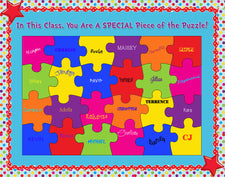
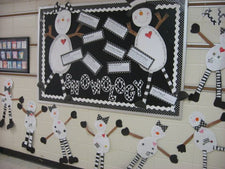
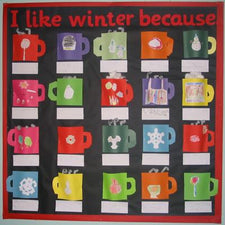
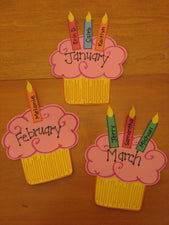
Bulletin boards can be used not only for classroom decoration, but as an essential tool for classroom communication; between teachers and students as well as teachers and parents, staff, visitors, or volunteers. There are four main types or categories of bulletin boards that can (and should) be utilized in the classroom including child-created, decorative, conceptual, and interactive.
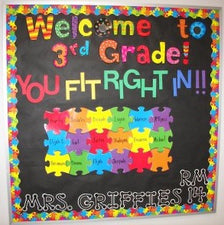
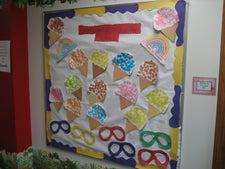
- Child-created bulletin boards are an effective tool used in the display of student’s work—art projects, writing prompts, science projects, etc. The children feel a sense of pride, seeing their work displayed and knowing they helped to create the bulletin board, while parents and visitors can enjoy seeing the childrens' work and learning what has been going on in the classroom.
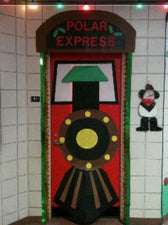
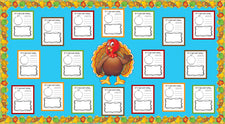
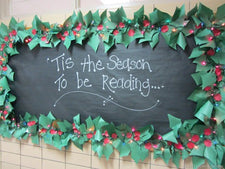
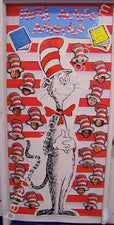
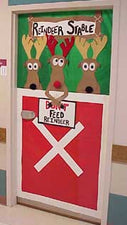
- Decorative bulletin boards are used to add color and aesthetics to the classroom. In many cases, these are themed boards, following the seasons, holidays, or other areas of interest. Many supply sites, such as MPM School Supplies, offer themed bulletin board sets that can be recycled from year to year.
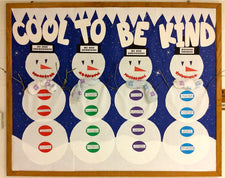
- Conceptual bulletin boards compliment the subjects being taught in the classroom or give more information on subjects that are found to be of interest to the students. These boards are designed to illustrate concepts using pictures wherein the visual representation helps students to understand the concept more fully.
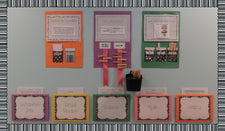
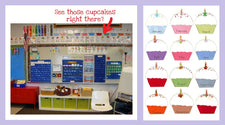
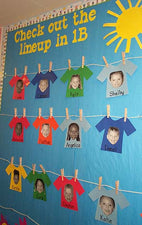
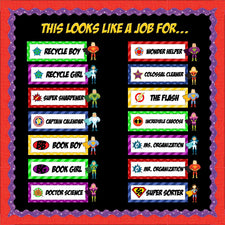
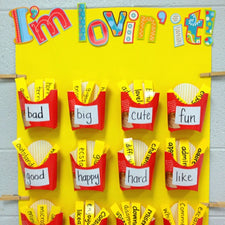
- Interactive bulletin boards are designed to get the children involved. Made of materials that are moveable/hands-on, these boards, when developmentally appropriate, can help the formation of: students’ eye-hand coordination skills, visual discrimination skills, left-to-right discrimination skills, one-to-one correspondence skills, problem-solving skills, letter recognition, numerical recognition, color recognition and small muscle coordination skills.
About the Author

Kayla Johnson



Disclaimer: The content on this page is for informational purposes only and reflects the author's personal experiences and/or opinions. The author is not a financial advisor, medical professional, or licensed expert in any regulated field. Nothing on this page should be interpreted as financial, medical, or professional advice. This content is not a substitute for professional advice, diagnosis, or treatment.
Always consult a qualified professional before making decisions related to your finances, health, or other personal matters. The information provided here is shared in good faith, but individual circumstances vary, and what works for some people may not work for you. Results are not typical, implied, or guaranteed. While we strive for accuracy, information may become outdated or change over time. Statements made by guest authors reflect their own opinions and should not be interpreted as endorsements by SupplyMe.
Some of the links on this page may be affiliate or referral links, which means we may earn a commission or bonus if you use them. There’s no extra cost to you — and it’s a great way to support the site if you find the content helpful.