
Winter Holidays Around the World - The Seven Candles Craft for Kwanzaa
By Kayla • April 3, 2018
Kwanzaa is a week-long celebration observed in the United States from December 26th to January 1st each year honoring African heritage and culture. As you and your children celebrate - or perhaps simply wish to learn about and explore the various winter holidays celebrated around the world - here are some great craft ideas that will open the door to discussion about the symbols, traditions, and history of the holiday.

The Kinara (candleholder) and the seven candles, known as Mishumaa Saba, are important symbols in the history and tradition of Kwanzaa. While the candleholder is symbolic of the peoples of Africa and the ancestral heritage of those celebrating the traditions of the holiday, the candles - three green, three red, and one black - are used to represent the seven principles of Kwanzaa.
- The black candle, lit first on the 26th of December, represents Umoja (unity).
- The green candles represent Nia (purpose), Ujima (collective Work and Responsibility), and Imani (faith).
- The red candles represent Kujichagulia (self-Determination), Ujamaa (cooperative Economics), and Kuumba (creativity).
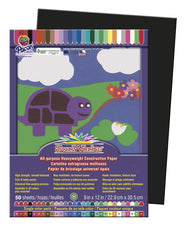
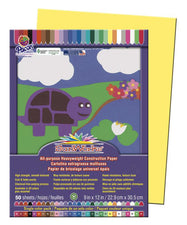
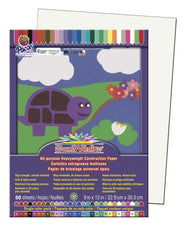
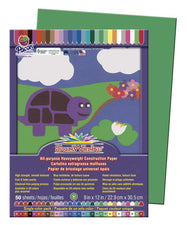
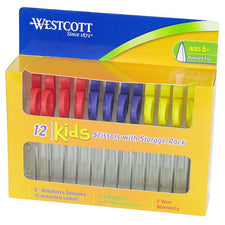
To create your own Kinaras and Mishumaa Sabas, all you'll need is some construction paper and some scissors! And perhaps some letter stickers or marker as well in order to label the candles with their respective principle!
About the Author

Kayla Johnson


Disclaimer: The content on this page is for informational purposes only and reflects the author's personal experiences and/or opinions. The author is not a financial advisor, medical professional, or licensed expert in any regulated field. Nothing on this page should be interpreted as financial, medical, or professional advice. This content is not a substitute for professional advice, diagnosis, or treatment.
Always consult a qualified professional before making decisions related to your finances, health, or other personal matters. The information provided here is shared in good faith, but individual circumstances vary, and what works for some people may not work for you. Results are not typical, implied, or guaranteed. While we strive for accuracy, information may become outdated or change over time. Statements made by guest authors reflect their own opinions and should not be interpreted as endorsements by SupplyMe.
Some of the links on this page may be affiliate or referral links, which means we may earn a commission or bonus if you use them. There’s no extra cost to you — and it’s a great way to support the site if you find the content helpful.