
What Makes Ice Melt Fastest?
By Kayla • April 3, 2018

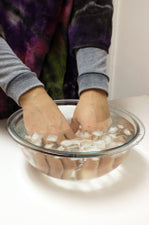
The Department of Transportation (DOT) is always interested in the fastest, most effective way to melt ice and keep roadways safe in the winter. For those interested in chemistry, this science fair project designed by Dr. Andrew Olson of Science Buddies provides students with an opportunity to observe and determine the best method for de-icing surfaces.
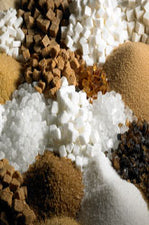
A low cost project that can be done in a short period of time, students will explore the effect of table salt, sugar, sand, pepper, and/or other other additives (natural or man-made) on ice. While determining additives to test, students should keep in mind environmental concerns, as well as the idea that combinations of various additives may be more effective than the additives on their own.
For the full project - background information, research concepts/topics, supply lists, procedures, etc. - be sure to visit Science Buddies!
About the Author

Kayla Johnson














Disclaimer: The content on this page is for informational purposes only and reflects the author's personal experiences and/or opinions. The author is not a financial advisor, medical professional, or licensed expert in any regulated field. Nothing on this page should be interpreted as financial, medical, or professional advice. This content is not a substitute for professional advice, diagnosis, or treatment.
Always consult a qualified professional before making decisions related to your finances, health, or other personal matters. The information provided here is shared in good faith, but individual circumstances vary, and what works for some people may not work for you. Results are not typical, implied, or guaranteed. While we strive for accuracy, information may become outdated or change over time. Statements made by guest authors reflect their own opinions and should not be interpreted as endorsements by SupplyMe.
Some of the links on this page may be affiliate or referral links, which means we may earn a commission or bonus if you use them. There’s no extra cost to you — and it’s a great way to support the site if you find the content helpful.