
The Aerodynamics of a Car
By Kayla • April 3, 2018

In a similar vein to Wong's award-winning project, Nathaniel and his friends, fans of the racing world, wondered how car design affects aerodynamics and therefore speed.
Project Overview
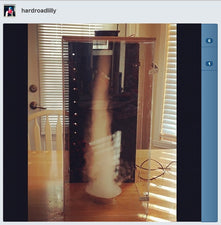
In order to explore this further, students are directed to build a wind tunnel to test various toy cars. Nathaniel's crew used acrylic sheets, brackets, fans, and tape to build a simple wind tunnel. You can design a model like theirs or following the links below for step-by-step instructions on other variations:
Nathaniel and his friends attached 25 streamers to each toy vehicle tested in order to determine drag. They hypothesized that the more the streamers flattened against the vehicle, the more aerodynamic its design (and the less drag it presented). After each test, they recorded the number of streamers that stayed flat as well as the number of streamers that exhibited turbulence, rating each vehicle accordingly.
For the types of vehicles tested, their results, a helpful video, and project variations, be sure to visit Nathaniel's full post at DragonflyTV (a PBS KIDS GO! production).
About the Author

Kayla Johnson








Disclaimer: The content on this page is for informational purposes only and reflects the author's personal experiences and/or opinions. The author is not a financial advisor, medical professional, or licensed expert in any regulated field. Nothing on this page should be interpreted as financial, medical, or professional advice. This content is not a substitute for professional advice, diagnosis, or treatment.
Always consult a qualified professional before making decisions related to your finances, health, or other personal matters. The information provided here is shared in good faith, but individual circumstances vary, and what works for some people may not work for you. Results are not typical, implied, or guaranteed. While we strive for accuracy, information may become outdated or change over time. Statements made by guest authors reflect their own opinions and should not be interpreted as endorsements by SupplyMe.
Some of the links on this page may be affiliate or referral links, which means we may earn a commission or bonus if you use them. There’s no extra cost to you — and it’s a great way to support the site if you find the content helpful.