
Grafting Plants with Bubble Gum!
By Kayla • April 3, 2018

Grafting is a technique that botanists have used in the past to join two different plants in order to create hybrid fruits and vegetables {e.g. fruit that combines the traits of the two original fruits}. For upper elementary students interested in plants and botany, this grafting project is sure to be interesting!
Grafting Basics
- Two plants are chosen; one is selected for its roots and is known as the stock, the other is selected for it's leaves, stems, flowers, or fruits and is known as the scion.
- The scion plant contains the desired genes to be passed on in the stock/scion fruit.
- For successful grafting to take place, the vascular tissue {the tissue that carries water and nutrients to the plant} of the two plants must be placed in contact with each other.
- Grafting can take up to a few weeks.
- As stated above, the resulting fruit of the grafted plants will exhibit traits of both the original fruits. For example, nectarines are the result of the union between a peach and plum plant.
Project Overview
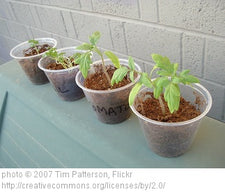
Did you know that bubble gum can be used as a tool in grafting? This awesome science fair project created by Glen Vecchione shows you how! While the grafting process takes a few weeks {and it takes even more time if you plan to wait for the the grafted plant to flower/produce fruit}, growing a pomato by grafting a tomato and potato plant together with bubble gum is sure to be a neat experience and is worth the extra time!
For the full project, be sure to follow the link to the full write-up!
About the Author

Kayla Johnson















Disclaimer: The content on this page is for informational purposes only and reflects the author's personal experiences and/or opinions. The author is not a financial advisor, medical professional, or licensed expert in any regulated field. Nothing on this page should be interpreted as financial, medical, or professional advice. This content is not a substitute for professional advice, diagnosis, or treatment.
Always consult a qualified professional before making decisions related to your finances, health, or other personal matters. The information provided here is shared in good faith, but individual circumstances vary, and what works for some people may not work for you. Results are not typical, implied, or guaranteed. While we strive for accuracy, information may become outdated or change over time. Statements made by guest authors reflect their own opinions and should not be interpreted as endorsements by SupplyMe.
Some of the links on this page may be affiliate or referral links, which means we may earn a commission or bonus if you use them. There’s no extra cost to you — and it’s a great way to support the site if you find the content helpful.