
Making Use of Centers in Preschool
By Kayla • April 3, 2018
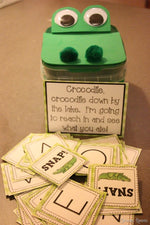
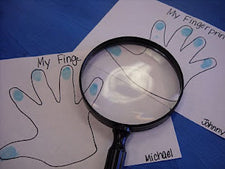
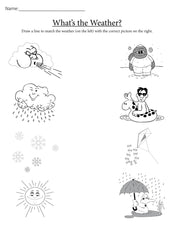
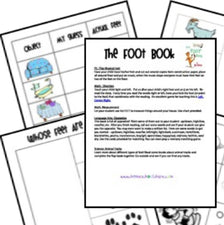
Along with structure, preschoolers need variety, as well as, the ability to explore and learn at their own pace. Creating classroom centers and rotating them daily will help keep your students engaged, inspired, and enthusiastic! Not only do learning centers or stations provide a practical way to manage your classroom, they promote student interests, social interaction, independence, and other wonderful skills. Learning Center Ideas:
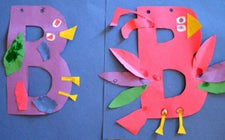
- Art Center. Provide different stations within your art learning center. For example, offer easel painting, a crayon and marker coloring station, as well as, scraps of colorful paper for collage-making.
- Block Center. Stock this area with Legos, wooden blocks, tools, etc. so that your students can choose which medium they'd like to work with each day.
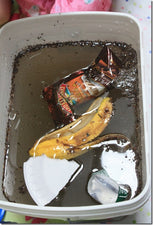
- Water Center. Sensory tables like sand and water tables are a great addition to the preschool classroom. Each week, fill the table with something different (e.g. sand, dry pasta, colored rice, seeds, plastic straws, etc.) and rotate toys so there's always something new to dig with or play with.
- Craft Center. Set up a table for crafts. Provide a different activity each day. You may invite your students to mold animals from play doh, string beads onto necklaces, etc.
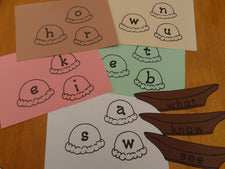
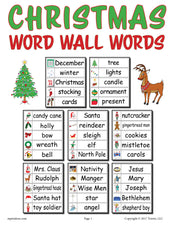
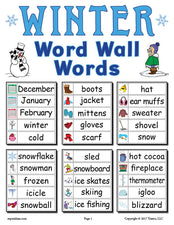
- Reading Center. Rotate books for your students to explore. If you've chosen a particular theme for the week, look for books that will go along with this (or similar) idea.
About the Author

Kayla Johnson








Disclaimer: The content on this page is for informational purposes only and reflects the author's personal experiences and/or opinions. The author is not a financial advisor, medical professional, or licensed expert in any regulated field. Nothing on this page should be interpreted as financial, medical, or professional advice. This content is not a substitute for professional advice, diagnosis, or treatment.
Always consult a qualified professional before making decisions related to your finances, health, or other personal matters. The information provided here is shared in good faith, but individual circumstances vary, and what works for some people may not work for you. Results are not typical, implied, or guaranteed. While we strive for accuracy, information may become outdated or change over time. Statements made by guest authors reflect their own opinions and should not be interpreted as endorsements by SupplyMe.
Some of the links on this page may be affiliate or referral links, which means we may earn a commission or bonus if you use them. There’s no extra cost to you — and it’s a great way to support the site if you find the content helpful.