
Fruity Fun Thematic Unit & The Very Hungry Caterpillar
By Kayla • April 3, 2018
 This multidisciplinary lesson/unit, created by Karen Evans - contributor to the HotChalk® LessonPlansPage - not only introduces students to the importance of fruit, but will help to cultivate important science skills as well as the concept of applied reading. Designed for preschool through kindergarten, Evans suggests setting aside a week to complete each of the lessons (or, of course, picking and choosing exercises to suit your needs!).
Fruity Science
- Each day, provide students with a selection of fruits, inviting them to use their senses to observe and describe each fruit. Here's a brief overview of the activity and the types of discussions to have with your students as they explore:
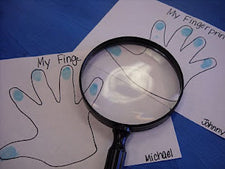
 Be sure to provide tools for observation like magnifying glasses and microscopes. You might also consider bringing in a blender to compare how each fruit looks after it's been mashed!
 - Study and compare fruit seeds. Provide students with tweezers, magnifying glasses, and microscopes for observation. Test student memory by providing them with several seed selections and several fruit selections and inviting them to make the appropriate match.
 Be sure to provide tools for observation like magnifying glasses and microscopes. You might also consider bringing in a blender to compare how each fruit looks after it's been mashed!
Fruity Math
- Predict how many seeds you'll find in an apple. Count them and compare the actual number to the predicted amount.
- Fill a jar with blueberries. Invite students to estimate how many are in the jar then count and compare.
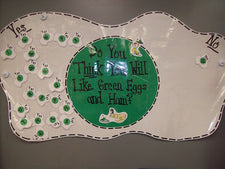
- Have students keep a like/dislike fruit chart to update throughout the week.
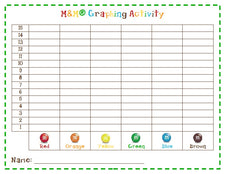
 At the end of the unit, compile the class' preferences to create a like/dislike bar graph for each fruit. Then, have students vote for their favorite fruit, creating a graph of the results.
 At the end of the unit, compile the class' preferences to create a like/dislike bar graph for each fruit. Then, have students vote for their favorite fruit, creating a graph of the results.
Fruity Literature & Skill Practice
Evans suggests using Eric Carle's The Very Hungry Caterpillar as the unit's literature selection - recommending that it's read each day. [Here's a spectacular 'animated' version of the book we found on YouTube!] In addition to its references to fruit, this popular children's book is perfect for reviewing the days of the week, numbers, and the concept of sequencing.
For more lesson details and instructions, be sure to visit Evans' full post >> Fruity Fun!
About the Author

Kayla Johnson



Disclaimer: The content on this page is for informational purposes only and reflects the author's personal experiences and/or opinions. The author is not a financial advisor, medical professional, or licensed expert in any regulated field. Nothing on this page should be interpreted as financial, medical, or professional advice. This content is not a substitute for professional advice, diagnosis, or treatment.
Always consult a qualified professional before making decisions related to your finances, health, or other personal matters. The information provided here is shared in good faith, but individual circumstances vary, and what works for some people may not work for you. Results are not typical, implied, or guaranteed. While we strive for accuracy, information may become outdated or change over time. Statements made by guest authors reflect their own opinions and should not be interpreted as endorsements by SupplyMe.
Some of the links on this page may be affiliate or referral links, which means we may earn a commission or bonus if you use them. There’s no extra cost to you — and it’s a great way to support the site if you find the content helpful.