
"Books Remember" Writing Project
By Kayla • April 3, 2018

April 2nd is International Children's Book Day (ICBD). Celebrated since 1967 {on or around the birthday of famous children's author, Hans Christian Anderson}, it is a day commemorated "to inspire the love of reading and to call attention to children's books" [International Board on Books for Young People, IBBY].
Each year, a different country has the privilege of sponsoring ICBD, selecting both a theme for the celebration and inviting a well-known author to develop an overarching message and an illustrator to design a poster that will be used throughout the world to promote the festivities. This year's sponsor is Estonia and the theme is, "The Book Remembers".
Estonian author, Aino Pervik clarifies:
- "Storybooks remember the things that you cannot find in old documents". They capture how people of the time thought, what they dreamed of, what they might have been afraid of, and what made them happy.
- "The book remembers the time in which it was written". Reading Charles Dickens, we are transported to the streets of 19th century London, by reading Mark Twain we travel down the channels of the 19th century Mississippi River with Huckleberry Finn and the gang, etc.
The point: Because these authors lived and breathed in the time period, because they themselves were a part of it, their books sport vivid and accurate recollections of the people and places of history. Their stories "remember".
Writing Prompt
Because your sutdents live and breathe in 2011 as a five or six year old boy or girl, they have a keen insight into the lives, dreams, thoughts, and feelings of 21st century kindergartners. In a simple exercise, invite your kiddos to write a short story about their day - from beginning to end. You might consider breaking this up into several prompts:
- My morning routine - who gets me up, what do I eat for breakfast, how do I get to school, etc.
- My day at school - what my classroom is like, how many students are in my class, what we learn about, what learning technology we use, etc.
- My day after I get off the bus - who's home to meet me, when do I do my homework, what games and activities do I like to play, who eats supper with me, etc.
- My bedtime routine - when do I go to bed, who tucks me in, etc.
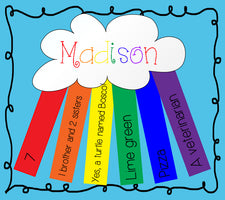
Continue these simple exercises by inviting your students to create a "dream book" or an "about me book", using a simple notebook and magazine clippings to describe...
- What I want to be when I grow up.
- What kind of car I want to drive.
- What my pet will look like.
- And so on and so on.
What's quite amazing to think about, once your students have completed and compiled these simple prompts and activities, someone from the future would be able to piece together numerous bits of information:
- The thoughts and dreams of 21st century kindergartners.
- The 21st century family system.
- The 21st century education system.
- Technology in the 21st century.
- And much more!
Not only will these exercises help tie in the theme of International Children's Book Day, they make great keepsakes for parents!
About the Author

Kayla Johnson
Disclaimer: The content on this page is for informational purposes only and reflects the author's personal experiences and/or opinions. The author is not a financial advisor, medical professional, or licensed expert in any regulated field. Nothing on this page should be interpreted as financial, medical, or professional advice. This content is not a substitute for professional advice, diagnosis, or treatment.
Always consult a qualified professional before making decisions related to your finances, health, or other personal matters. The information provided here is shared in good faith, but individual circumstances vary, and what works for some people may not work for you. Results are not typical, implied, or guaranteed. While we strive for accuracy, information may become outdated or change over time. Statements made by guest authors reflect their own opinions and should not be interpreted as endorsements by SupplyMe.
Some of the links on this page may be affiliate or referral links, which means we may earn a commission or bonus if you use them. There’s no extra cost to you — and it’s a great way to support the site if you find the content helpful.