
The Inuit Way of Life
By Kayla • April 3, 2018

{It's important for children to understand the history of our country - even before it became a nation in 1776. November being "American Indian Heritage Month" makes it a great time to explore the various native peoples and cultures that could be found in America before the land was "discovered" and settled by easterners. This series of lessons attempts to introduce your preschoolers to the original Americans.}
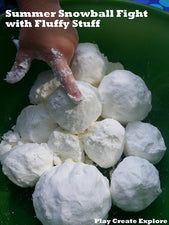
The objective of this lesson is to teach your preschoolers about the Inuit way of life - where they live, the climate in their region, housing, how they dress (both regularly and ceremonially), what they eat, their customs, transportation, and everyday tools/weapons. Discuss with your students what the weather is like in the Arctic. Show them pictures of the clothing worn by the Inuits. To help them understand the many layers worn by this Native American tribe, take turns dressing students like Eskimos. Be sure to collect the following to put over student clothing: It might also be fun to collect several Eskimo "outfits" then have a relay race - students are divided into teams, the first player on each team is helped into the outfit, completes a task (i.e. 'runs' to the end of the mat and back balancing a craft pom pom on a plastic spoon, etc.), races back to the finish line, transfers the Eskimo outfit to the next player in line who must complete the same task, and this process repeats until all team members have played. The team who does it the quickest, wins! Consider filling your sensory table with Insta-Snow™ and Inuit-themed objects - plastic animals (seals, whales, caribou, dogs, etc.), boats, small Styrofoam blocks (for igloo building!), and other fun items! Your preschoolers will be delighted with the change - and amazed to find snow inside, in November!Unit Introduction
The Inuit (Eskimos)
Basic Information
Literature & Songs
Dress Like An Eskimo Activity
Inuit Sensory Table
About the Author

Kayla Johnson



Disclaimer: The content on this page is for informational purposes only and reflects the author's personal experiences and/or opinions. The author is not a financial advisor, medical professional, or licensed expert in any regulated field. Nothing on this page should be interpreted as financial, medical, or professional advice. This content is not a substitute for professional advice, diagnosis, or treatment.
Always consult a qualified professional before making decisions related to your finances, health, or other personal matters. The information provided here is shared in good faith, but individual circumstances vary, and what works for some people may not work for you. Results are not typical, implied, or guaranteed. While we strive for accuracy, information may become outdated or change over time. Statements made by guest authors reflect their own opinions and should not be interpreted as endorsements by SupplyMe.
Some of the links on this page may be affiliate or referral links, which means we may earn a commission or bonus if you use them. There’s no extra cost to you — and it’s a great way to support the site if you find the content helpful.