
Sight Word Flash Card Story Activity
By Kayla • April 3, 2018

Preschool is a great time to strengthen pre-reading skills including exposing students to letters (including their shape and unique sounds) as well as building vocabulary and sight word recognition. The creators of Bob Books recommend a brilliant flash card activity that will help your students learn to recognize, get comfortable with, and commit to memory common sight words for improved fluency when learning to read.
Lesson Materials
- Old magazines.
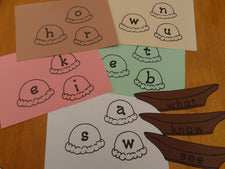
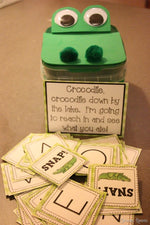
- Sight word flash cards. These can be purchased or created using word processing software and card stock (...or you can use these, which were created using Literacy Connections list of basic sight words.
Writing A Flash Card Story
Invite your students to look through the old magazines and pick out their favorite characters and items. Give them a few examples of what they might be looking for (e.g. a woman, a child, a dog, a pizza, etc.). When finished, take turns writing simple sentences using the sight word flash cards and each students' clippings. As each child creates a sentence, write it on the board. While the "story" might not have a defined plot, or a beginning, middle, or end for that matter, your students will be excited just to have the freedom to create!
Before erasing the board, be sure to copy the class' story onto a piece of paper, noting which student wrote each of the sentences. Have students place their clippings in a small baggie, labeled with their name, and turn them in. You can then use the clippings and sentences to create a classroom book for students to share with their families!
Write a Story Using Flash Cards « Bob Books for Beginning Readers
About the Author

Kayla Johnson


Disclaimer: The content on this page is for informational purposes only and reflects the author's personal experiences and/or opinions. The author is not a financial advisor, medical professional, or licensed expert in any regulated field. Nothing on this page should be interpreted as financial, medical, or professional advice. This content is not a substitute for professional advice, diagnosis, or treatment.
Always consult a qualified professional before making decisions related to your finances, health, or other personal matters. The information provided here is shared in good faith, but individual circumstances vary, and what works for some people may not work for you. Results are not typical, implied, or guaranteed. While we strive for accuracy, information may become outdated or change over time. Statements made by guest authors reflect their own opinions and should not be interpreted as endorsements by SupplyMe.
Some of the links on this page may be affiliate or referral links, which means we may earn a commission or bonus if you use them. There’s no extra cost to you — and it’s a great way to support the site if you find the content helpful.