
Preschool & Science Reunited
By Kayla • April 3, 2018
As Deborah Stewart so eloquently describes, often times, "preschool teachers shy away from planning science in the preschool classroom because they are under the impression that science is all about formal experiments and chemical reactions". As a preschool teacher and experienced authority in matters of early childhood education, Stewart maintains that the act of encouraging students to ask questions, nurturing a desire to explore and order the world around them, and even making predictions about everyday occurrences sets the stage for future encounters with science! Stewart has a few suggestions for approaching science in the preschool classroom.
- Plan your lesson around a specific question (e.g. What is inside a pumpkin? What do caterpillars eat?)
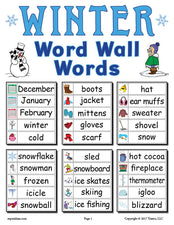
- Prepare relevant vocabulary words. Words like sink, float, fast, slow, etc. can help children describe and order the world around them.
- Strive to use natural elements. Take nature walks around the school yard or bring nature indoors.
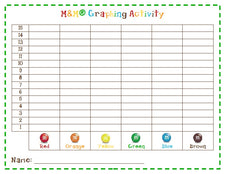
- Use stimulating visuals. The use of graphs and charts is helpful at this stage.
For more tips, explanations, and ideas, check out the rest of Stewart's post at her professional development blog, Excellence in Early Childhood Education.
Excellence in Early Childhood Education: Science in the preschool classroom
If you are in need of some new science teaching supplies you should check out our online teacher store!
About the Author

Kayla Johnson



Disclaimer: The content on this page is for informational purposes only and reflects the author's personal experiences and/or opinions. The author is not a financial advisor, medical professional, or licensed expert in any regulated field. Nothing on this page should be interpreted as financial, medical, or professional advice. This content is not a substitute for professional advice, diagnosis, or treatment.
Always consult a qualified professional before making decisions related to your finances, health, or other personal matters. The information provided here is shared in good faith, but individual circumstances vary, and what works for some people may not work for you. Results are not typical, implied, or guaranteed. While we strive for accuracy, information may become outdated or change over time. Statements made by guest authors reflect their own opinions and should not be interpreted as endorsements by SupplyMe.
Some of the links on this page may be affiliate or referral links, which means we may earn a commission or bonus if you use them. There’s no extra cost to you — and it’s a great way to support the site if you find the content helpful.