
Melting Snow Science Experiment
By Kayla • April 3, 2018

The Preschool Tool Box offers some fun winter center suggestions inspired by Raymond Briggs' classic children's book, The Snowman Storybook - we especially love the science exploration!
Supplies You'll Need
- Clear plastic containers
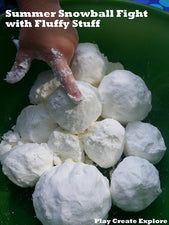
- Ice cubes {or snowballs!}
- Recording sheet
- Pencil
[NOTE: You want the 'snow' samples to be close to the same size to make it an accurate comparison. The nice thing about using ice cubes is they're a bit more uniform than snowballs that have been handmade.]
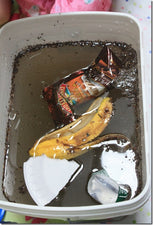
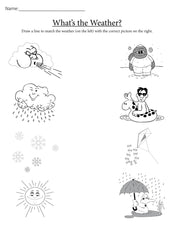
Place the snow samples in the clear plastic containers and set them in different places around the room - on the windowsill, by the heater, etc. Have your kiddos record the time each snow sample was set in place and predict which ice cube/snowball will be the first to melt. Invite students to keep an eye on the samples, observing and recording the changes in their science journals {or on the handout provided at TPTB}. Analyze/discuss the results - compute the time {in minutes} it took for the samples to melt and put it in terms your kiddos will understand, discuss the factors that caused the samples to melt at different speeds, etc. [NOTE: This exploration provides a great segue into introducing the states of matter or even telling time/the passage of time.]
Be sure to head on over to The Preschool Tool Box for this and several other great activity ideas inspired by The Snowman Storybook!
About the Author

Kayla Johnson


Disclaimer: The content on this page is for informational purposes only and reflects the author's personal experiences and/or opinions. The author is not a financial advisor, medical professional, or licensed expert in any regulated field. Nothing on this page should be interpreted as financial, medical, or professional advice. This content is not a substitute for professional advice, diagnosis, or treatment.
Always consult a qualified professional before making decisions related to your finances, health, or other personal matters. The information provided here is shared in good faith, but individual circumstances vary, and what works for some people may not work for you. Results are not typical, implied, or guaranteed. While we strive for accuracy, information may become outdated or change over time. Statements made by guest authors reflect their own opinions and should not be interpreted as endorsements by SupplyMe.
Some of the links on this page may be affiliate or referral links, which means we may earn a commission or bonus if you use them. There’s no extra cost to you — and it’s a great way to support the site if you find the content helpful.