
Working With Sets in Preschool
By Kayla • April 3, 2018

Your preschoolers may not realize it, but they instinctively group items based on common characteristics they recognize - color, size, shape, type, etc. Because its such a natural occurrence, parents and teachers may miss it, but take a look and you'll find some amazing categorizing going on!
- When Tommy separates his matchbox cars from his monster trucks - that's grouping based on size.
- When Samantha places the yellow fork and spoon with the yellow plate, the orange fork and spoon with the orange plate, and the pink fork and spoon with the pink plate - that's grouping based on color.
- When Tamara and Billy create a classroom zoo, separating the elephants into one pen, the giraffes into a second pen, and the lions into a third pen - that's grouping based on type.
Because it happens so intuitively, you may wonder why it's important to teach the concept. While students do have a tendency to group similar items, many are not able to fully explain why. Teaching students how to cognitively observe a group of items for similar traits will help them develop problem solving skills, become better scientists, and give them the tools to help them make sense of the world around them.
Preschool Learners provides a wonderful series of worksheets that help students learn about and work with sets. Each worksheet offers a different skill.
 |
In the first worksheet, students are provided with animal images and asked to draw a line around each set (e.g. dogs, cats, etc.). |
 |
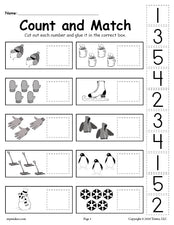
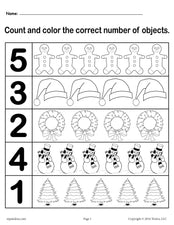
In the second worksheet, students are presented with sets of like objects. Each set contains a different number of like objects (e.g. 4 ducks, 7 penguins, etc.) and students are asked to match each set to its appropriate number. |
 |
The third worksheet in the series gives students practice in identifying objects that do not belong in the set. |
 |
The fourth worksheet presents students with several incomplete sets - each set contains three matching objects and a fourth that is missing a small detail. Students must identify the detail and draw it in order to make it a match/complete set. |
Happy Grouping!

About the Author

Kayla Johnson
Disclaimer: The content on this page is for informational purposes only and reflects the author's personal experiences and/or opinions. The author is not a financial advisor, medical professional, or licensed expert in any regulated field. Nothing on this page should be interpreted as financial, medical, or professional advice. This content is not a substitute for professional advice, diagnosis, or treatment.
Always consult a qualified professional before making decisions related to your finances, health, or other personal matters. The information provided here is shared in good faith, but individual circumstances vary, and what works for some people may not work for you. Results are not typical, implied, or guaranteed. While we strive for accuracy, information may become outdated or change over time. Statements made by guest authors reflect their own opinions and should not be interpreted as endorsements by SupplyMe.
Some of the links on this page may be affiliate or referral links, which means we may earn a commission or bonus if you use them. There’s no extra cost to you — and it’s a great way to support the site if you find the content helpful.